2025: An inspirational year of innovation & building
As the year wraps up, I want to say something pretty simple: ...
March 27, 2025
Construction project management faces a defining moment. The artificial intelligence market in construction shows remarkable growth potential—from $3.93 billion in 2024 to a predicted $22.68 billion by 2032. These numbers tell a compelling story about AI’s increasing role in reshaping how construction teams plan, execute, and deliver projects.
And the data speaks volumes about AI’s impact on core project management functions. Project teams using construction AI-powered tools report 58% gains in efficiency through automated expense tracking and resource optimization.
Construction projects require extensive planning phases which might span multiple years before breaking ground. Construction AI systems can process vast datasets from past projects, identifying patterns human managers might miss. The results? Sharper risk forecasts, better-informed decisions, and fewer costly surprises during execution. This shift marks a fundamental change in how construction teams can approach project planning and delivery.
The construction industry wastes nearly 70% of its activities on non-value-added tasks. AI-assisted design systems tackle this challenge by automating time-consuming work like drawing set production, component identification, and code compliance verification. With AI assistance, design teams can dedicate more hours to creative problem-solving instead of repetitive documentation.
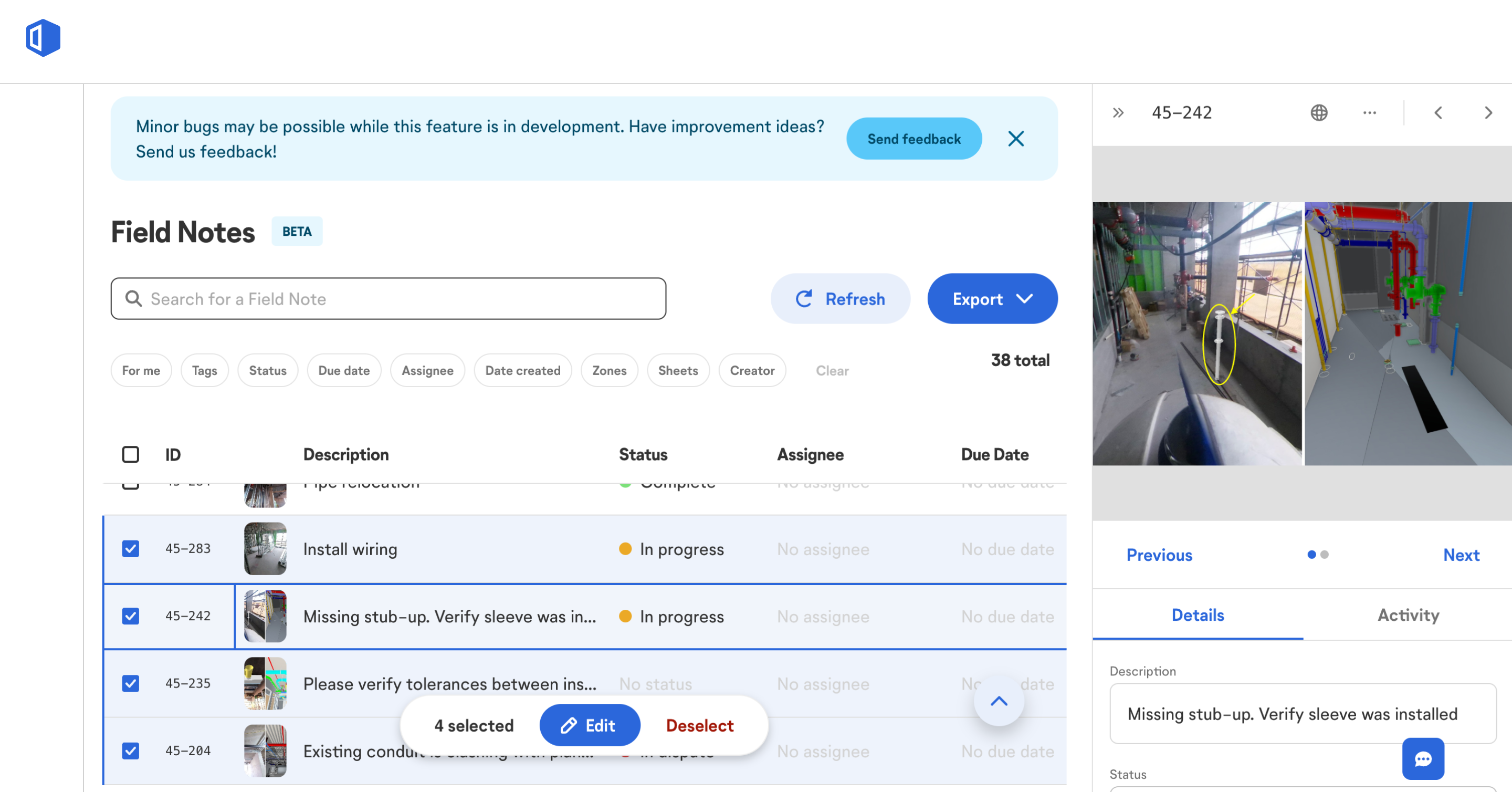
Building Information Modeling (BIM) stands at the forefront of this technological advancement. AI-enhanced BIM platforms analyze project data to generate optimal design solutions, creating digital twins of buildings’ physical and functional elements. The technology’s most significant impact is automated clash detection—a process that previously consumed countless hours now identifies system conflicts before they become costly site problems.
Project teams report exceeding client objectives across multiple metrics thanks to generative design—from reduced carbon footprints to increased occupant satisfaction. Autodesk’s generative design solutions for example, results in higher quality work, greater speed/productivity, and lower costs.
Predictive analytics reshapes how teams approach project planning. These sophisticated systems examine historical data to spot potential issues human designers might overlook, enabling proactive risk management. The results speak for themselves: AI-powered cost estimation achieves 97% accuracy when analyzing past project data, while construction teams produce more reliable budgets and timelines.
Smart sustainability features round out the design capability enhancements boosted by AI. The technology optimizes energy-intensive systems, from HVAC to lighting. Through advanced simulations, teams can evaluate multiple scenarios to identify the most energy-efficient solutions, meeting strict sustainability requirements while reducing long-term operational expenses.
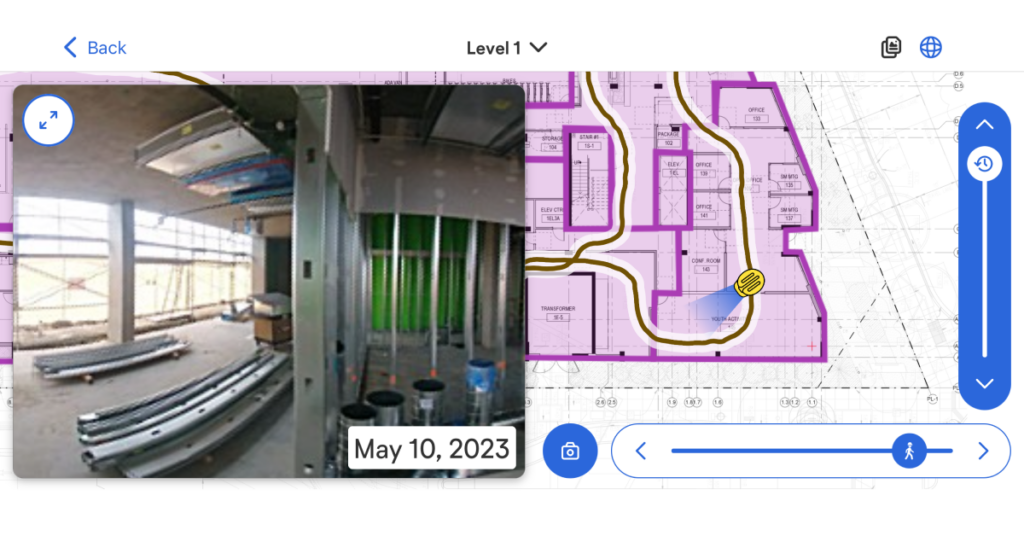
Construction teams lose 35% of productive time to inadequate project monitoring. Modern AI systems address this issue through intelligent data collection and analysis. Site monitoring platforms combine high-resolution cameras, IoT sensors, and machine learning algorithms to spot safety violations and hazardous conditions in real-time. Site supervisors receive instant alerts when workers skip safety gear or unsafe conditions develop.
Contract compliance reaches new levels of precision with AI-powered tracking systems. These platforms monitor deadlines, deliverables, and regulatory requirements, and their algorithms become increasingly adept at flagging compliance issues based on historical patterns.
AI-enhanced equipment management also has significant financial impact. Smart sensors paired with predictive algorithms spot potential failures before they occur, dramatically reducing costly downtime. PETRONAS exemplifies the bottom-line benefits—their AI analytics program delivered $33 million in savings while boosting plant utilization by 0.1%.
Project teams gain unprecedented insight through modern reporting platforms that deliver:
Research confirms the competitive edge—organizations leveraging data analytics consistently outperform industry peers. Beyond daily operations, these AI monitoring systems create detailed digital records, proving invaluable for future maintenance and renovation work.
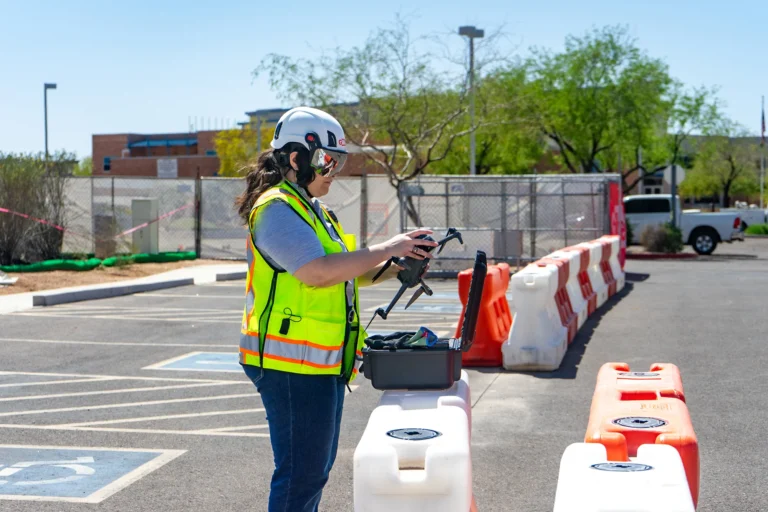
Computer vision technology marks perhaps the most significant advance in progress tracking. These systems enable automated detection of as-built conditions and work-in-progress measurements. Project managers now track site progress with unprecedented accuracy, spotting productivity trends and scheduling conflicts without constant site visits.
Construction project teams adopting AI-powered solutions report dramatic improvements across three core areas: BIM-enhanced planning and generative design, IoT-enabled site execution, and data-driven monitoring systems.
Market forecasts project AI construction technology reaching $22.68 billion by 2032, reflecting the measurable value these solutions deliver. Construction teams using digital twin technology paired with real-time monitoring catch potential issues weeks earlier than traditional methods. That means fewer schedule delays, tighter budget control, and improved safety outcomes.
The future of construction project management points clearly toward increased AI adoption. Teams that embrace these tools—from predictive analytics to computer vision systems—position themselves to tackle age-old industry challenges with unprecedented accuracy. The evidence shows that construction firms following this path consistently deliver projects faster, safer, and more efficiently than their competitors.
The challenge, of course, is to choose the right solutions, get stakeholders on board, and ensure adoption. Find tips on successful tech implementation in our webinar.